
Connections, Anchoring & Site Preparation
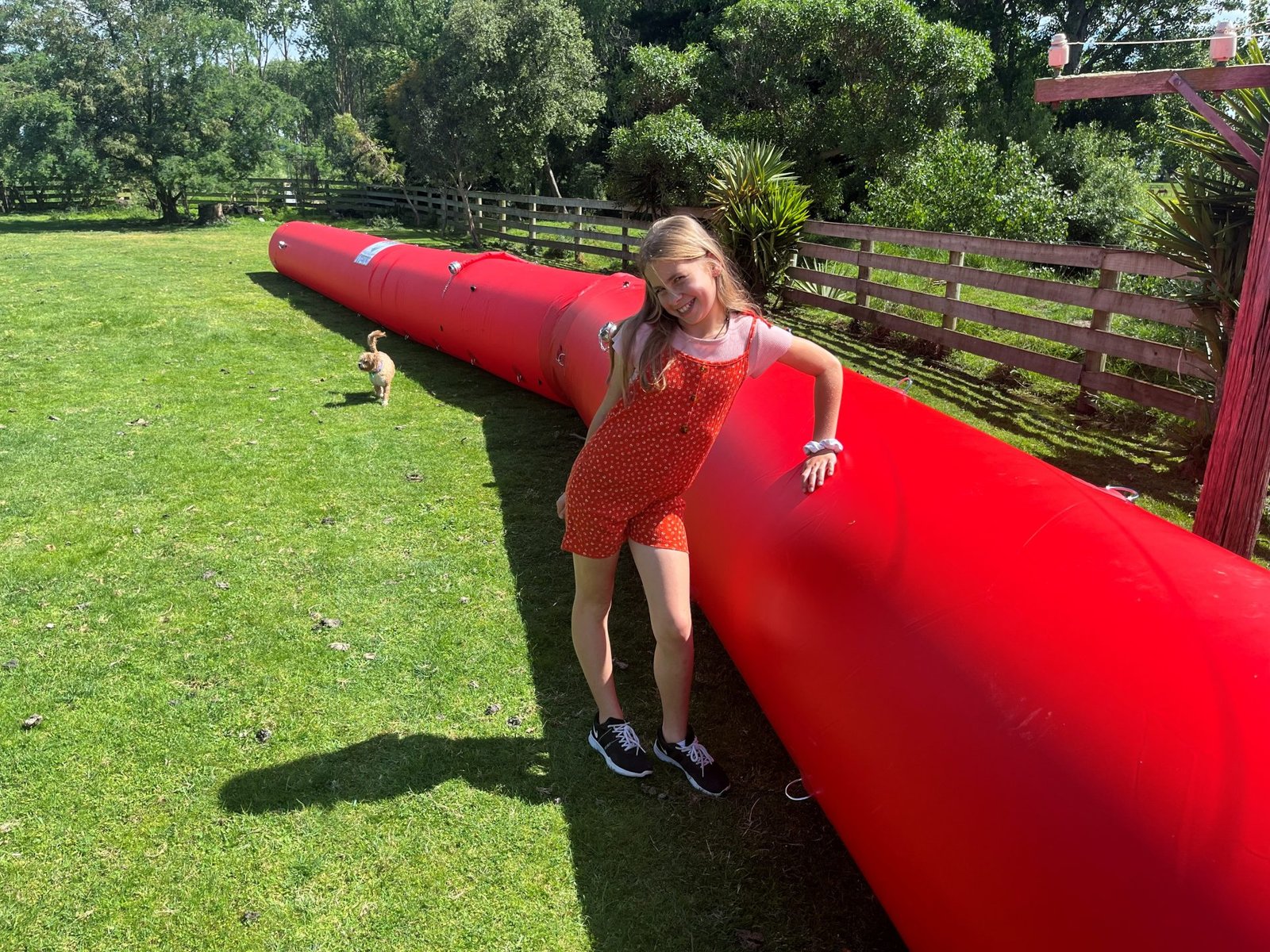
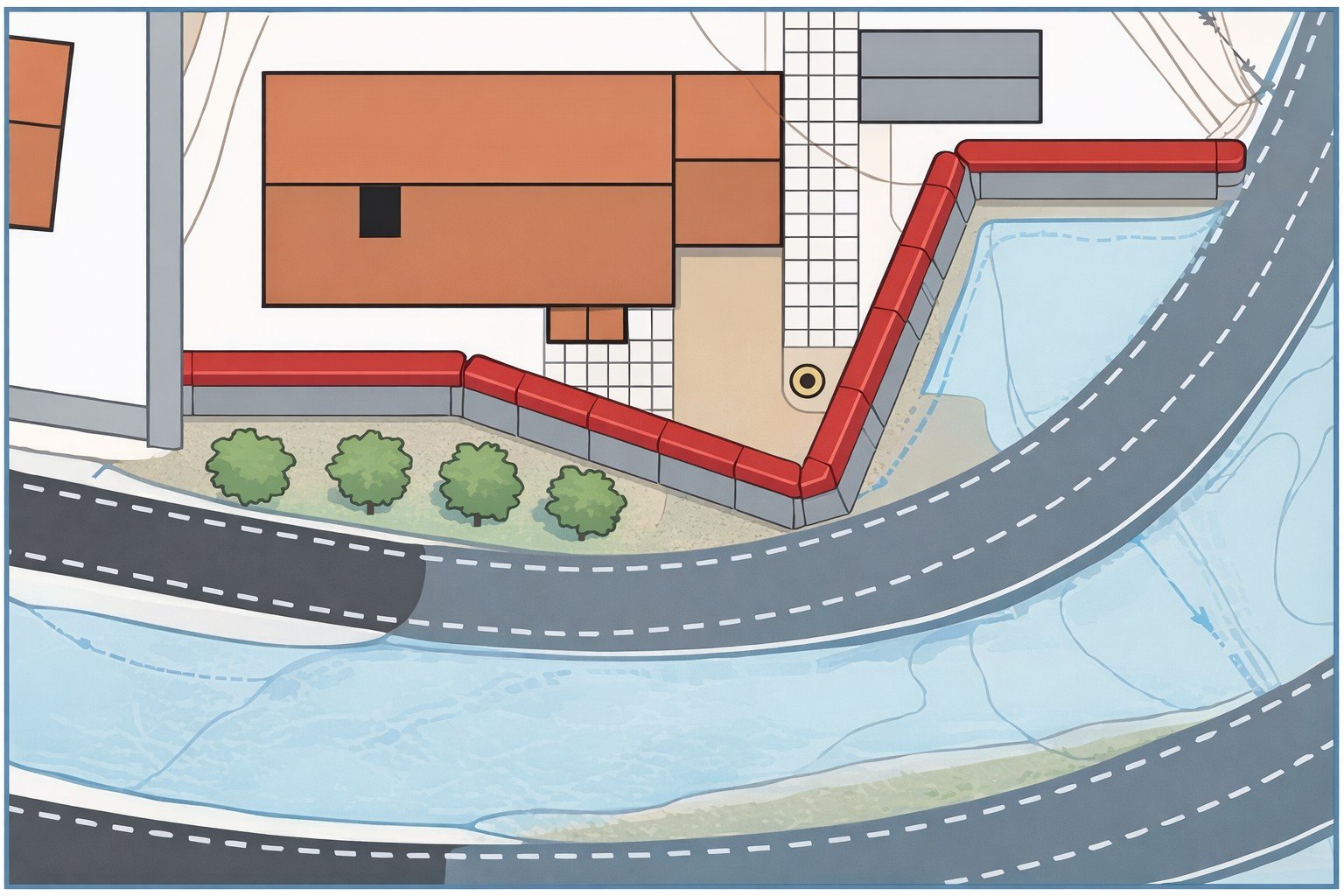
FloodLine XL gains much of its stability from the weight of the water inside the barrier, together with full ground contact, the front skirt and site-appropriate restraint. The layout, ground conditions, expected water depth and flow, and the selected single- or multi-pipe configuration all need to be considered before deployment.
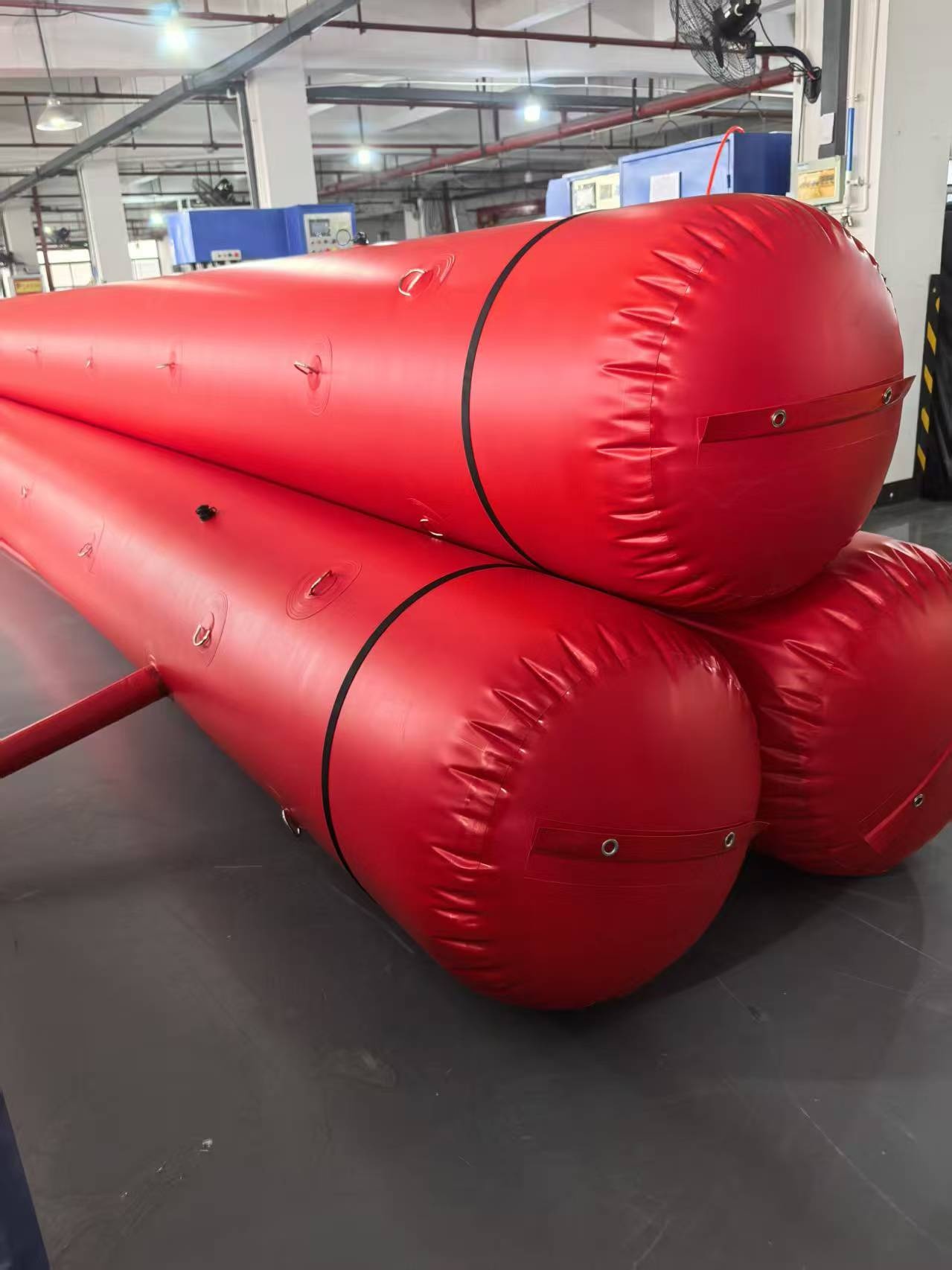
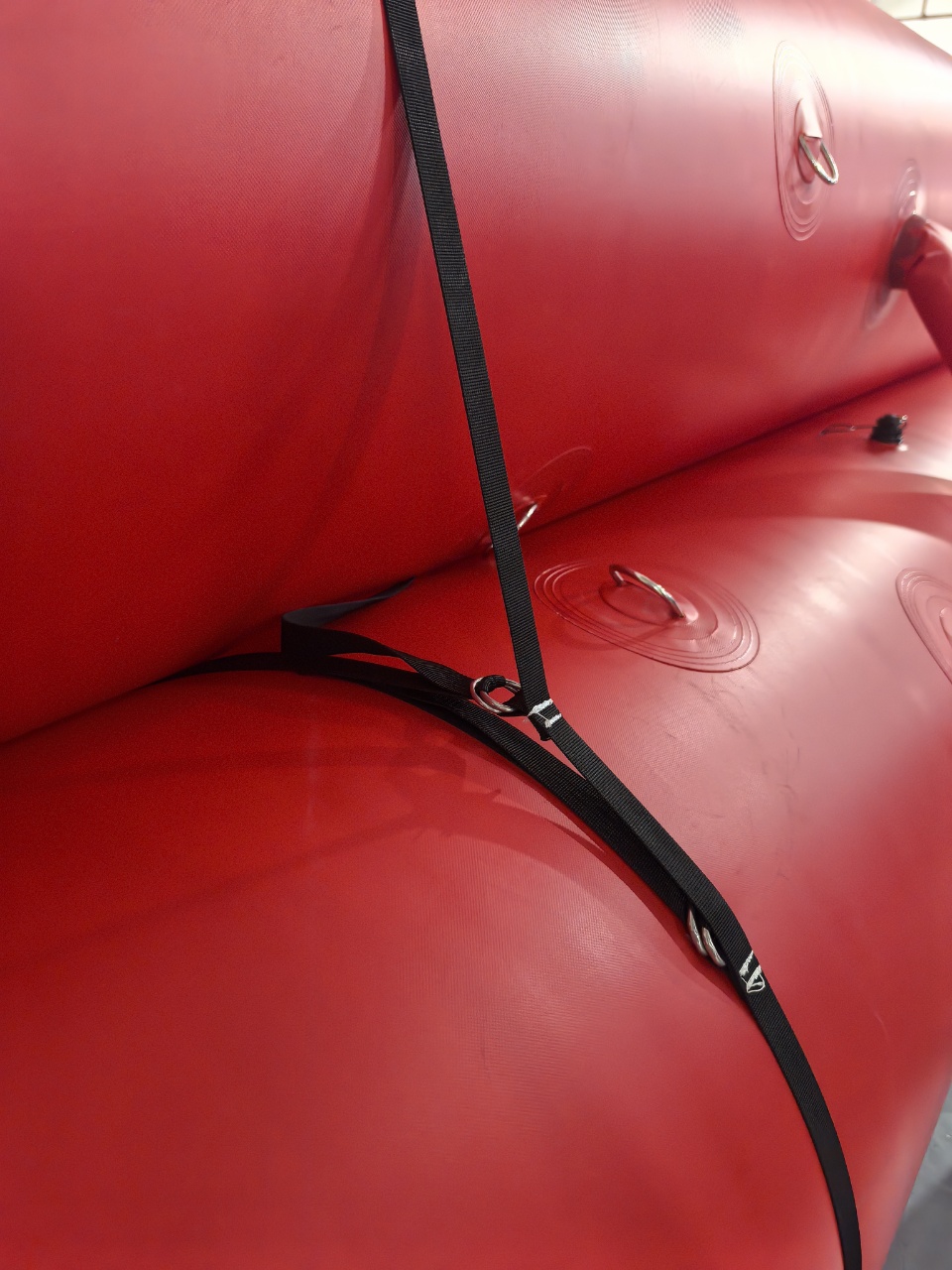
Before deployment
- Clear the complete barrier line of sharp objects, debris and anything that could puncture the material or prevent full ground contact.
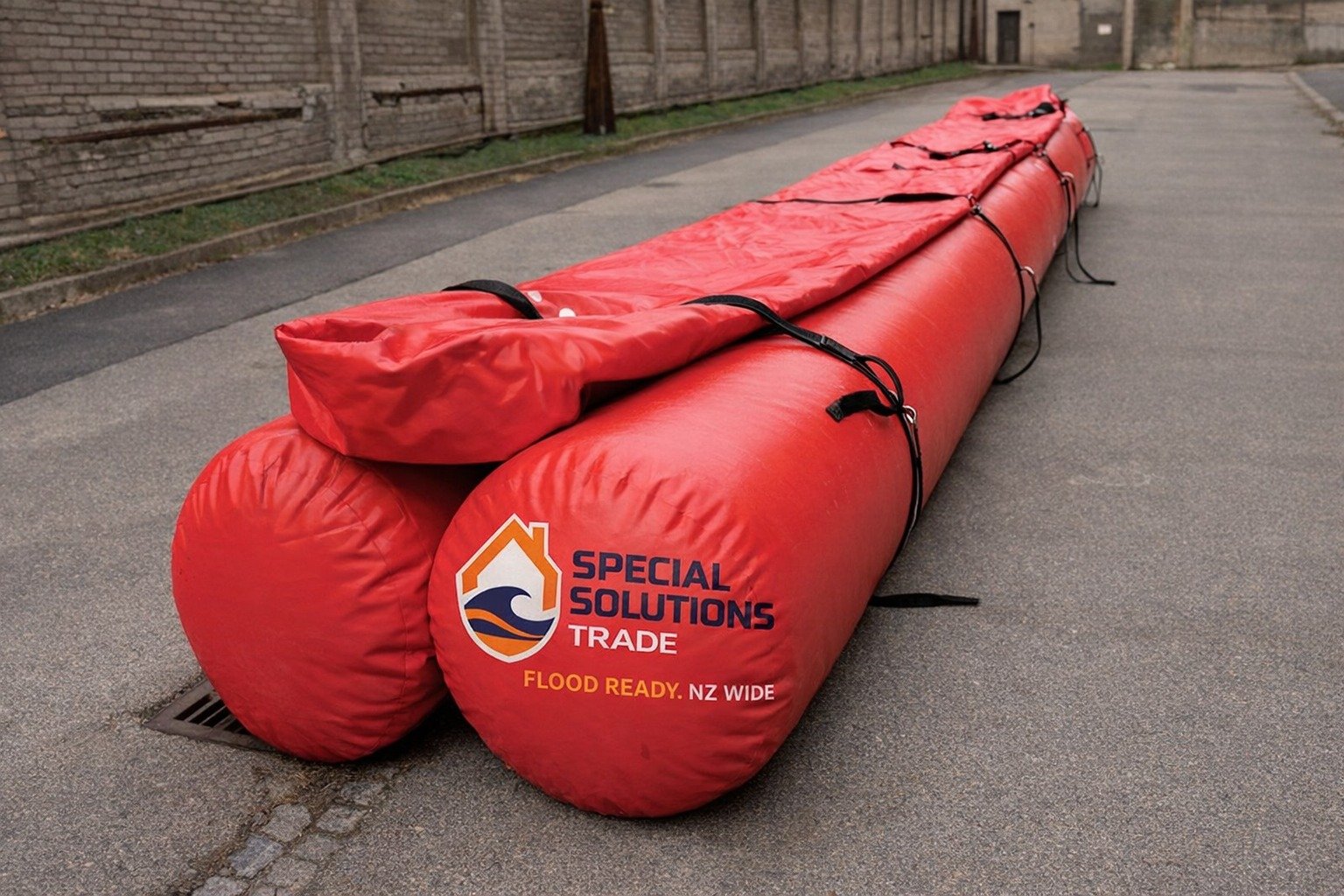
- Position the empty barrier before filling. Do not plan to drag, lift or reposition a water-filled tube.
- Fully extend the front skirt so it lies flat, without folds or creases, and remains in continuous contact with the ground.
- Check the water supply, pump or hose capacity, drainage arrangements, available crew and safe access before floodwater arrives.
Anchor points and restraints
- Use the designated D-rings or grommets for anchor pins, ropes or approved restraints rather than relying only on the sleeves that connect barrier sections.
- Place restraints at suitable intervals, with additional attention near both ends, at section connections and where greater water pressure is expected.
- Where straps pass over or around a tube, secure them firmly enough to prevent movement without excessively compressing the tube.
Grass, soil and hard surfaces
Grass or soil: suitable ground stakes, anchor pins or screw anchors may be used at the designated points. Saturated or very soft ground can reduce anchoring strength, and slopes or exposed locations may require additional tie-downs.
Concrete, asphalt or sealed surfaces: ground pegs are generally unsuitable. Depending on the site, restraint may involve ballast, sandbags, approved temporary road-fixing systems or mechanical anchors where drilling is permitted. Keep the surface clear of oil, mud and debris because these reduce friction.
Slopes, uneven ground and site limits
Single-pipe flexible barriers are best suited to flat or gently sloping ground. Steeper slopes, rapid currents, soft or unstable ground, highly uneven surfaces and exposed sites require a site-specific assessment. Additional anchoring, a multi-pipe configuration or another barrier system may be more appropriate.
Do not deploy the barrier where the ground cannot support its filled weight, sharp hazards cannot be removed, the barrier could slide or roll uncontrollably, or expected flow is outside the confirmed operating range for the selected configuration. There is no generic maximum slope or flow figure in the supplied guidance; these conditions need to be assessed for the actual site.
Connection and assembly videos
Full deployment demonstration
These videos demonstrate connection, assembly and deployment principles. Final anchoring, filling and deployment should follow the instructions supplied for the selected configuration and the assessed site conditions.
Talk through your site
Planning a larger flood barrier? Send your location, approximate barrier length, ground photographs and any known flood history. Tell us about access, available storage and water supply so we can discuss suitable options.